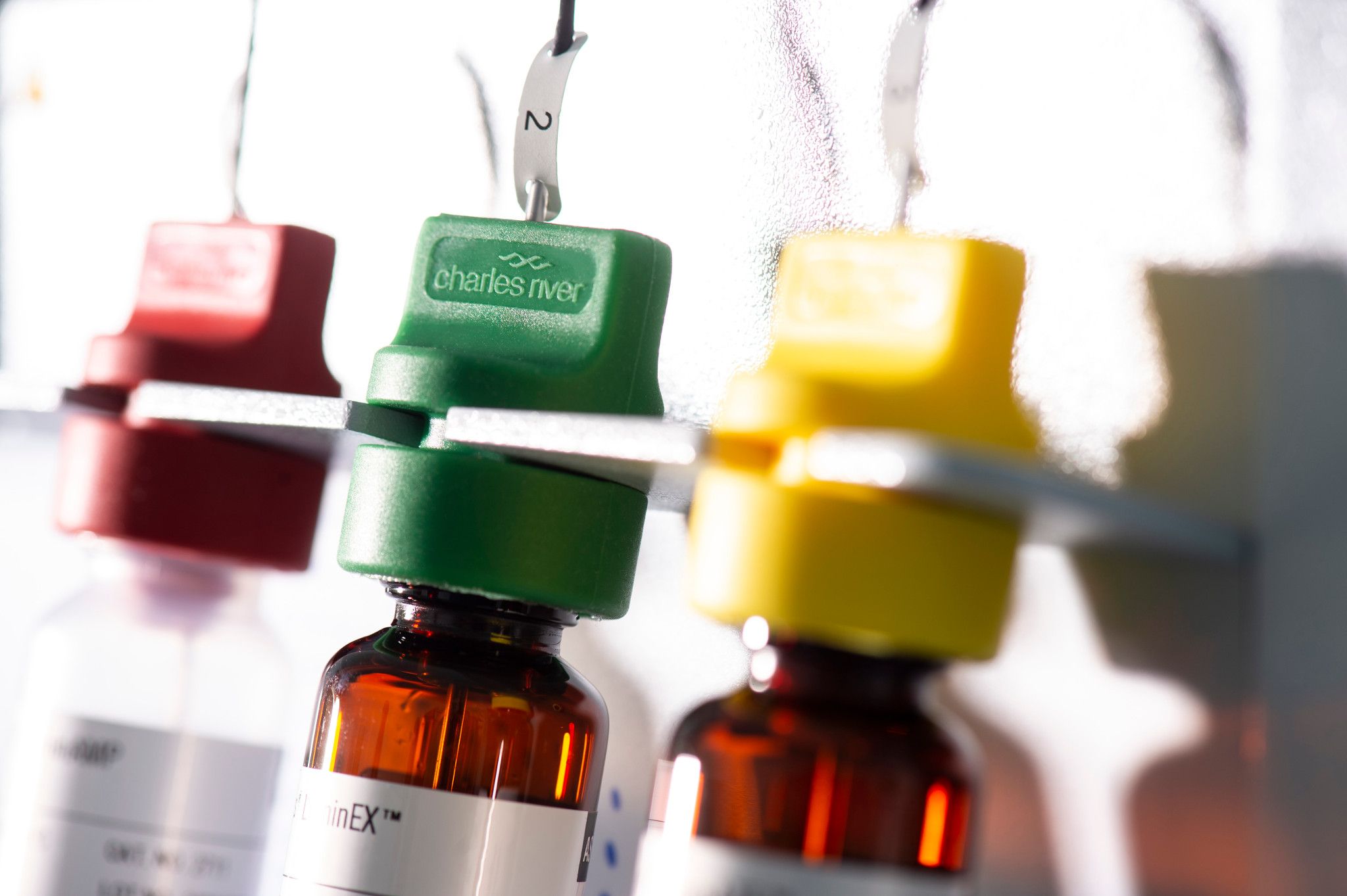
Robust ATP-Bioluminescence Reagents Delivering Rapid Results
What is the ATP-Bioluminescence assay?
Commonly known as the luciferin-luciferase reaction or luciferase assay, this reaction occurs when the luciferase enzyme converts luciferin into oxyluciferin to produce light in the presence of adenosine triphosphate (ATP). Only when ATP is present will this reaction occur. Since ATP is present in all living cells, including prokaryotes, it can be used as a microbial testing marker for contamination if a sample should not under normal conditions contain adenosine triphosphate.
Webinar: Accelerate Sterility Testing with USP <73>
In this webinar, Labor LS and Charles River industry experts discuss how ATP-bioluminescence is shaping the future of short-life products. Explore real-world insights and validation strategies.
Watch the Replay
Celsis® ATP-Bioluminescence Assay Kit Portfolio
Traditional methods of microbial testing rely on lengthy incubation periods to achieve visible growth, either as colonies on plates or turbidity in broth. Celsis ATP-bioluminescence-based rapid detection reduces these incubation periods by 50%. Celsis ATP-bioluminescence reagents quickly screen for the absence or presence of bacteria, yeasts, and molds, allowing the rapid release of final products through instrument-based analysis.
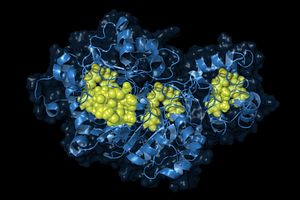
Celsis AMPiScreen® ATP Assay Kits rapidly detect the presence of ultra-low levels of microbiological contamination up to 50% faster than standard ATP-bioluminescence assay kits, and 75% faster than the traditional sterility test, with compatible sample types. The amplified ATP-bioluminescence assay used in Celsis AMPiScreen is not constrained by the limited amount of metabolic ATP in the organism. Instead, it produces additional ATP by using an enzyme-catalyzed reaction and an additional instrument-controlled amplification period to optimize the detection of microorganisms.
Celsis AMPiScreen® AP Assay Kits reduce high background in test samples, making it easier and more accurate than ever to detect microbial contamination.

Explore the Celsis® Rapid Microbial Detection Brochure
Gain insight into Celsis® technologies, platform capabilities, implementation considerations, validation support, and microbial detection applications across a range of product types.
Access the Brochure
Celsis® Rapid Microbial Detection Reagent Features
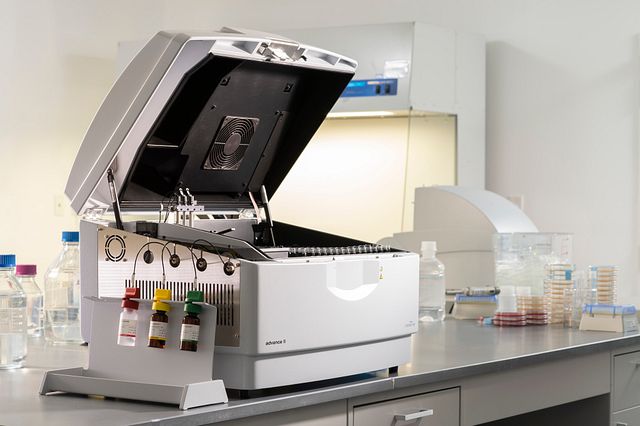
- Celsis AMPiScreen ATP-bioluminescence assay kits are compatible with Celsis Accel® and Celsis Advance II™ luminometers
- Optimized reagent kit size and volume to minimize waste and improve reagent consumption efficiency
- Leverages the same in-house expertise that produces our industry-leading FDA-licensed microbial detection reagent technology, trusted across the pharmaceutical industry
Frequently Asked Questions (FAQs) About ATP-bioluminescence Assay Kits
-
Why is ATP-bioluminescence a gold standard detection method?
ATP-bioluminescence, utilizing the luciferase assay, is considered a gold standard detection due to its highly efficient ability to detect microbial contamination at extremely small concentrations. When this reaction is controlled and allowed to react exponentially using the timed injection of specialized reagents, the reaction provides positive confirmation of contamination.
-
How long has ATP-bioluminescence been used for testing?
ATP-bioluminescence, with numerous scientific publications studying its properties, has been established as a means of microbial detection since 1989. The ATP-bioluminescence assay used in Celsis AMPiScreen reagents was first characterized in 1955, when it was known as the adenylate kinase assay at the time. It has been described in microbial testing since 1998.

Case Study from the PDA Journal of Science and Technology
Get an in-depth look from industry experts on a comparison of ATP-bioluminescence and other rapid sterility method technologies, as well as a framework to develop the business case for implementing a system into your lab.
Read the Case Study