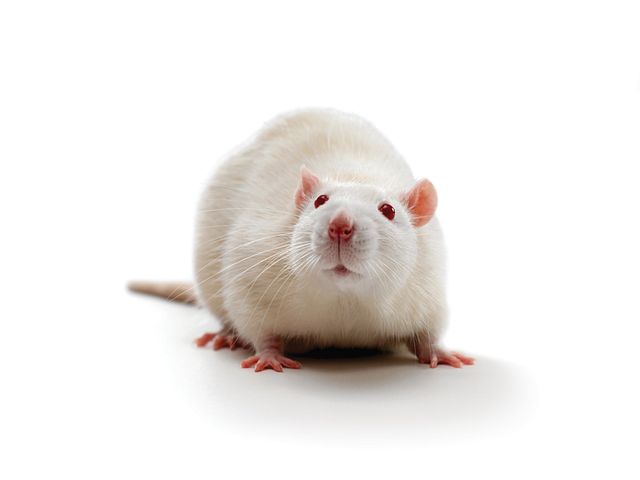
Inbred Rat Models
Inbreeding, or sibling mating, is a powerful method to reduce heterozygosity at every genetic locus in the rat genome, allowing for uniformity in phenotype and forming the basis for experimental reproducibility. Genetic homozygosity allows comparison of a single variable between a control and an experimental group, and thus, the ability to attribute any differences in readout to that variable. As a result, inbred stocks are the model of choice for genetic research. Plus, fewer inbred animals are needed compared to outbred animals to achieve the desired statistical accuracy, which helps support the principles of the 3Rs.
Guidebook to Rodent Model Genetic Quality Control
Learn the essentials of genetic QC programs: inbred/outbred colony quality control, transgenic rodent model creation, rederivation, and cryopreservation techniques.
Download Now
Inbred rats also have various other research applications. Inbred strains show variations in hypothalamic-pituitary-adrenal (HPA) axis activity. These rat strains help researchers understand the pathophysiology of immune diseases. More specifically, Fisher rats have applications in safety testing. Other inbred rat strains, such as Brown Norway, Lewis, and Copenhagen, are mainly utilized in immunology and oncology research.
Available Inbred Rat Strains
- Brown Norway Rat
- Dahl/Salt Sensitive (DSS) Rat
- Fischer (CDF) Rat
- Fischer (SAS FISCH) Rat
- Lewis Rat
- Spontaneously Hypertensive (SHR) Rat
- Spontaneously Hypertensive Heart Failure (SHHF) Rat - Lean +/?
- Spontaneously Hypertensive Heart Failure (SHHF) Rat - Obese cp/cp
- SRG Rat
- WAG Rat
- Wistar Kyoto (WKY) Rat
- Zucker Diabetic Fatty (ZDF) Rat - Lean +/?
- Zucker Diabetic Fatty (ZDF) Rat - Lean fa/+
- Zucker Diabetic Fatty (ZDF) Rat - Obese fa/fa

Research Models & Services Catalog
View our portfolio of high-quality animal models, along with comprehensive services for health monitoring and genetically engineered models. Download Catalog
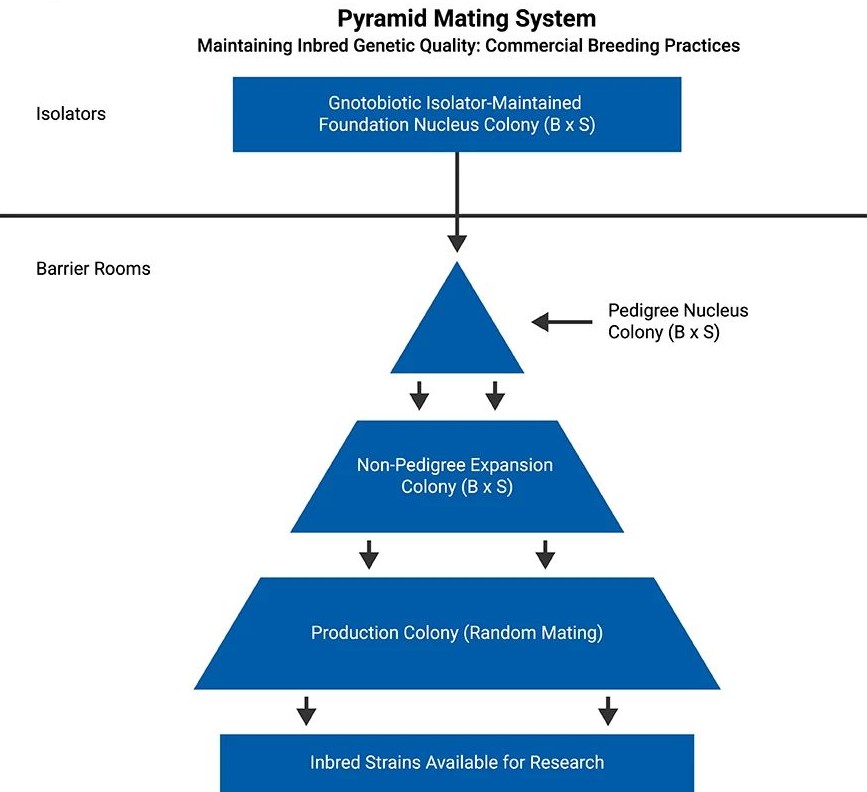
With more than 20 breeding facilities around the world, Charles River is the leading global supplier of laboratory rat models for biomedical research. Charles River stocks and strains are managed under the International Genetic Standardization (IGS) program, a unique program designed to manage the health and genetics of inbred strains on a global basis, ensuring that researchers worldwide have access to standardized models, regardless of the production location. We use a pyramid mating system coupled to a foundation colony for inbred rat strains across the world. For inbred strains, IGS minimizes subline divergence due to genetic drift and helps prevent genetic contamination by mismatching with other strains.
Advantages of Working with Charles River
- Worldwide availability
- Veterinary and professional support
- VAF/Plus® health status
- Genetics managed under the IGS program
Frequently Asked Questions (FAQs) about Inbred Rats
-
What is the benefit of using inbred strains?
Inbred strains are isogenic and homozygous at all genetic loci. Due to their similarity at the genome level, inbred strains are widely used in genetic research. Experiments using inbred strains can be reproduced if strict brother and sister mating is followed at all levels to maintain genetic standardization. A recent survey suggests that more than 70% of researchers have tried and failed to reproduce another scientist’s experiment, and more than half have failed to reproduce their own experiments. Inbred strains produced in accordance with strict breeding protocols can help fix this reproducibility crisis.
