
Are you searching for a partner to perform your immunology drug development testing? Our experts will work with you, every step of the way, to develop the best translational path for your therapeutic, provide detailed regulatory expectations, and offer technical expertise in the required assay formats. By using this comprehensive approach, you’ll have the most rapid and cost-effective program possible, from proof of concept and safety assessment through to the clinic.
- Assays by Cell Type
- Discovery Services
- Research Models and Services
- Safety Services
- Clinical Services
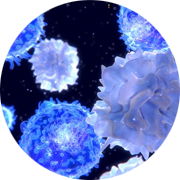
In Vitro Immunology Assays
To better understand the complexity of the immune system and related diseases in drug development, we offer a range of immunology in vitro assays using primary human and murine cells.
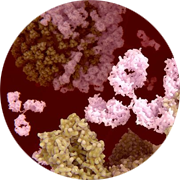
Inflammation and Autoimmune Diseases
Autoimmune diseases and chronic inflammation are a result of inappropriate immune responses. Our immunologists can support your immunology programs with a wide selection of in vivo and in vitro immunology assays, inflammation models and autoimmune models, across numerous therapeutic areas, like vaccine development, infectious disease, and immuno-oncology.
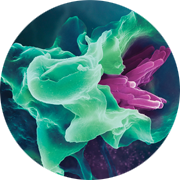
Infectious Disease Studies
Our teams have a strong background in infectious disease studies and can assess novel vaccines, antimicrobials, and antivirals in a wide range of in vivo and ex vivo models and in vitro assays.
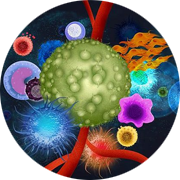
Immuno-Oncology
Charles River’s scientists have developed and optimized immuno-oncology models and in vitro assays to be able to examine the complex tumor microenvironment and to reinvigorate the immune system in order to combat cancer.
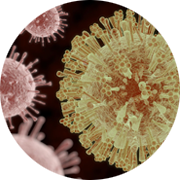
Vaccines
We support vaccine research and development in both the preclinical and clinical phases of discovery, including in vitro immune profiling, cell biology mechanism of action studies, immunogenicity testing, challenge and protection models, and stability testing.
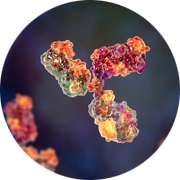
Antibody Discovery
The discovery and development of your therapeutic antibodies is in good hands with our suite of seamless and flexible services. Discover your next novel candidates from any of our phage-based libraries and explore the downstream solutions to optimize, engineer, and validate them for efficacy and safety.
Choose the Right Model for Your Immunology Research Development
Selecting the right animal model is crucial for the success of your immunology research. Several factors can impact the choice of models for your research. Explore our wide portfolio:
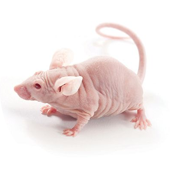
Immunodeficient Mice and Rats
To help you identify the best immunodeficient mouse or rat model for your oncology research, we have animal models with various levels of immunodeficiency and phenotypic characteristics.
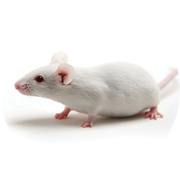
Humanized Mice
As drug development for cancer and autoimmune diseases continue, there is a growing demand for specialized mouse models with human immune systems. Super immunodeficient mice are often used for this purpose, as they have been shown to engraft human cells and tissues more efficiently than other models.

Triple-Immunodeficient Mice
Our NCG mouse is triple-immunodeficient and available for your oncology, immunology, regenerative medicine, and infectious disease research.
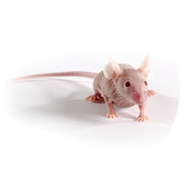
Nude Mice
Caused by a genetic mutation, nude mouse models lack a normal immune system and thymus gland. They have a repressed immune system due to a reduced number of T cells. Nude mice are ideal for tumor and tissue studies because they have no rejection responses and are hairless, making it easier to identify tumors.
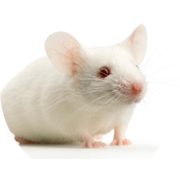
Animal Model Evaluation Program
Selecting the appropriate animal model for your studies is critical to the success of your immunology research. The Charles River Animal Model Evaluation Program allows you to assess the quality and compatibility of our animal models before making a commitment.
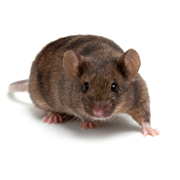
Animal Model Creation
Effective immunology research depends on finding the most relevant animal model for your project. Our team can select, customize, create, and maintain the right transgenic model specific to your research by using CRISPR/Cas9* technology.
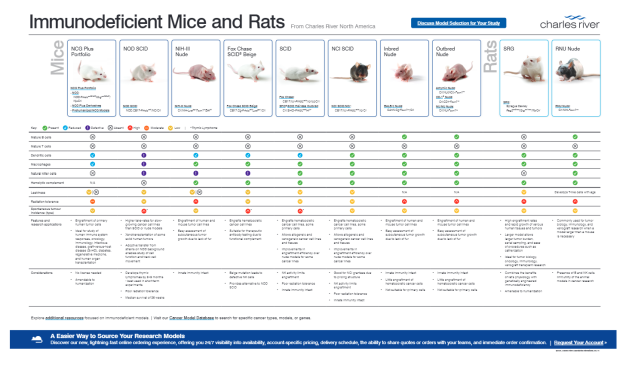
Immunodeficient Models Poster
This poster lists the major phenotypes of Charles River’s immunodeficient mice and rats. It includes information on model features, degree of immunodeficiency, and gene functions.
Download Poster
Key areas of consideration when it comes to immuno-safety testing:
Immunosuppression and Immunostimulation
Assessment for immunosuppression and immunostimulation is based on a cause for concern approach. Either adaptive immune response, innate immune responses or both can be evaluated.
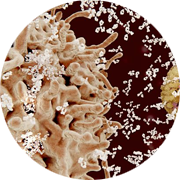
Immunogenicity
Ability of a substance to generate an immune response: unintended response for a drug or intended response in case of a vaccine (therapeutic or prophylactic). Response can be monitored with cellular focus (flow cytometry, ELIspot) or humoral focus.
| Scientific Posters | Type 2 and 3 | Type 4 |
|---|---|---|
| Histamine | WOE Approach with ADA | DTH |
| Tryptase | Immune Complex | |
| IgE | Pathology Data | |
| Basophil Functions | Complement | |
| Mast Cell Activation | Cytokine Data |

Autoimmunity
• Inflammation and Autoimmune T Cell Assays
• B cell assays for autoimmunity and inflammation
• DNA Methylation
• Cytokines Profiling
• Auto-Antibody Measurement
• Platelet Assessments
• Apoptotic Pathway and Signaling Pathways (e.g.: ERK/MAPK, Bcl-2)
• Cell Proliferation Assays (CFSE or equivalent dyes)
• Animal Models

Other Immunology Services
• Platelet Activation
• Target Engagement
• ADCC/CDC Assays or Cell-Based Bioassays
• Cytotoxicity Assays
• Predictive Immunotoxicology
• Alternative Species for Safety Assessment
Charles River has sites that can support clinical endpoints in Europe and North America. Our global presence can support your immunology research studies.
Clinical Platforms Supporting Immunology Endpoints
We offer a range of immunology endpoints across multiple platforms, with fit-for-purpose assay validation informed by the intended use of the data. We can design and work up bespoke panels of biomarker assays to suit your needs, and the sample-handling logistics of your particular trial.
Clinical Kitting Services
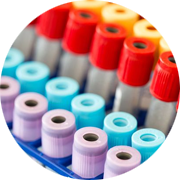
Charles River offers clinical kitting and sample management services. Our teams design lab manuals and clinical sample kits based on each unique clinical protocol to facilitate the safe collection, storage, and transport of samples supporting Phase I-III clinical trials.
Target Smarter: Translational Tools for Immune Reset in Autoimmune and Allergy Therapeutics
This webinar will explore how CAR-T, B cell-depleting therapies, and mast cell-targeted approaches are reshaping the future of treatment and, more importantly, how it will influence your drug discovery strategies. Whether you’re advancing a new candidate or exploring drug repurposing opportunities, this session delivers insights to help you stay ahead and drive the future of immunology drug discovery. Watch Replay

Podcast: What Makes a Virus Contagious?
Experts Sandy Kimber, Charlotte Cumper, and Claire Richards from our Portishead site discuss what makes some viruses more contagious than others, how viruses can trick your immune system, and how vaccines can affect viral spread.
Listen Now