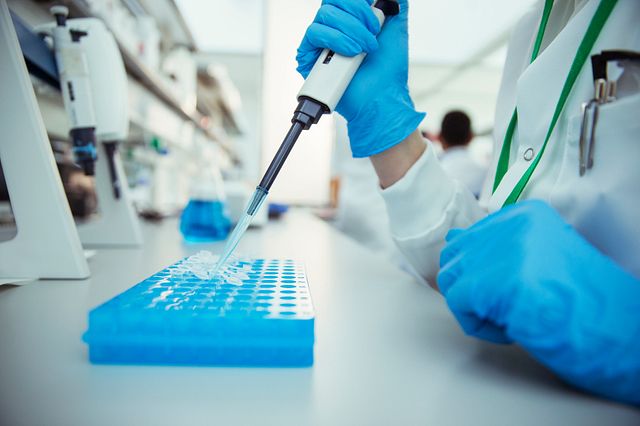
In Vitro Toxicity Testing
In vitro toxicology screening approaches are key tools to decrease the attrition of novel drug candidates as they progress through the discovery and development process. Recent advancements in developing physiologically relevant in vitro model systems are showing promise when it comes to improving the translation of assay results to predict adverse effects in humans.
WEBINAR: Secure Regulatory Approval of Complex Lung Models Through Collective Momentum
Regulatory agencies are increasingly embracing in vitro lung models. By integrating these advanced models, you can generate more human-relevant data, helping you streamline regulatory approvals and improve decision-making.
Watch the Replay
A comprehensive portfolio of in vitro toxicology assays is available across seven of our facilities between North America and Europe, encompassing a wide range of services along the in vitro toxicity assay continuum, including:
- Screening assays for key biochemical and biomarker endpoints of toxicity
- Testing using validated model systems as described in OECD Test Guidelines for specific adverse outcome pathways
- Advanced 3D tissue models designed to assess specific target organ liabilities
- Assays used in combination as part of an integrated toxicity assessment strategy
- Custom mechanistic assays designed to identify novel adverse outcome pathways
Many of our assays are direct replacements for tests or screenings done on animals, and we have been leading the way in the development, validation, and acceptance of various animal-free models.
Many acute toxicity tests have been, or are being, effectively replaced by in vitro human, animal, and 3D tissue alternatives. This shift is particularly evident in skin irritation, skin corrosion, and skin sensitization models, all of which are fully supported here, as well as skin penetration. There are also models to assess phototoxicity, ocular irritation, and severe damage. In addition, we are developing models to test toxicity and efficacy in other tissues, such as the lung, mouth, and gut.
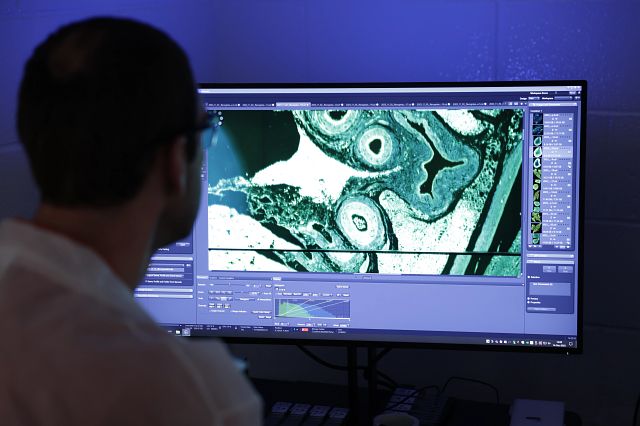
WEBINAR: Unlock Faster, Smarter Toxicology Decisions
Learn how real-time toxicology data and digital pathology drive accelerated decision-making and reduce costly delays.
Watch the Webinar
In addition to our comprehensive portfolio of routine screening and regulatory assays, we continuously leverage new approaches and technologies to develop novel in vitro toxicology assays for profiling and screening applications. These advanced multiparameter techniques are proving to be valuable for evaluating emerging in vitro toxicology endpoints.
Frequently Asked Questions (FAQs) About In Vitro Toxicology
-
What is in vitro toxicity testing?
In vitro toxicity assays are used to determine the potential of a new pharmaceutical, agrochemical, food additive, or other chemical product to be hazardous to humans. In vitro studies, which are performed on cultured bacterial or mammalian cells, can be used as an initial screen to avoid the unnecessary use of animals in determining which candidates should move forward for further safety testing. They are also used to replace many of the acute studies which have historically been performed in animals.