
A Single Platform. Multiple Product Tests.
Most non-sterile tests require 3-7 days for final results. Sterility tests require 14 days or even longer if subculture is needed. With Celsis®, thanks to ATP-bioluminescence technology, final non-sterile results can be obtained as fast as 24 hours, and sterility tests can be performed in 7 days or less.


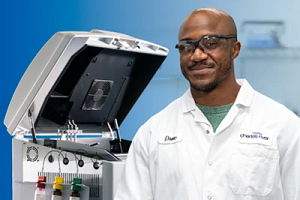
Explore the Celsis® Rapid Microbial Detection Brochure
Gain insight into Celsis® technologies, platform capabilities, implementation considerations, validation support, and microbial detection applications across a range of product types.
Access the Brochure
How can Celsis be used in your QC micro laboratory?
Sterile Products:
-
Complex Product Formulations
Advanced drug delivery systems and complex formulations like long-acting injectables (depots), nanoparticles, microspheres, and cell and gene therapies are advancing patient treatment. However, their complex matrices or turbid compositions challenge traditional quality control test methods for sterility, often rendering visual turbidity assessments inconclusive. In many cases, a routine sub-culture step may be introduced, leading to increased workload and complex investigation processes should a failed sterility test be reported.
Celsis® ATP-bioluminescence provides a rapid, robust, and reliable sterility test for inherently turbid pharmaceutical products, not relying on subjective turbidity measurements.
-
Advanced Medicines (ATMPs, Short-life products, CGTs, mRNA vaccines, and other biologics)
While Advanced Therapy Medicinal Products (ATMPs) such as mRNA vaccines, cell and gene therapies, and other biologics continue to grow in importance, so does the need for an advanced method to test these therapies. This emerging class of advanced products faces fulfilment challenges for biopharmaceutical companies that are not seen with traditional pharmaceuticals.
Historically, the biological components of these therapies posed compatibility challenges with ATP-bioluminescence-based rapid methods. The presence of ATP in product cells would interfere with test results.
Charles River has overcome these challenges with the Celsis Adapt™ Concentrator System, which removes product cells from a sample and retains microbial cells. The limit of detection for the assay remains at 1 CFU and continues to adhere to validation parameters described in PDA TR 33, USP <1223>, and Ph. Eur. 5.1.6. This sample preparation still maintains the non-destructive benefit of Celsis ATP-bioluminescence assay while utilizing a small amount of the original incubated sample. The concentrating process allows for an even faster time to result, with sterility validation packages that can support a 4-day release test.
-
Radiopharmaceuticals
Radiopharmaceuticals are unique medicinal formulations used in critical clinical areas for diagnosis and/or cancer therapy. They contain radioisotopes that decay over time and often have a short shelf-life. In many cases, the final preparation needs to be administered to the patient within 24 hours after the manufacturing process. These products are released “at-risk” before final sterility results are obtained. Even 21 CFR Part 211 highlights that “short-lived radiopharmaceuticals […] may be released prior to completion of sterility and/or pyrogen testing, provided such testing is completed as soon as possible.”
With Celsis, routine sterility testing can be validated as a 6-day test, minimizing resources needed to monitor patients while the product is pending final results. With the 6-day test available, does the 14-day traditional test still meet the CFR requirement of “as soon as possible”?
-
Compounding Sterile Pharmaceuticals
Each year, millions of medications are custom-made to satisfy the unique requirements of each patient who might need specialized quantity or concentration of their therapy or may need an alternate dosage form of a medication.
Changes to United States Pharmacopeia (USP) regulations have shortened the beyond use dates (BUDs) of many compounded products, which directly impacts the shelf-life. Performing a sterility test can increase the shelf-life, but the length of the test takes away a significant portion of that increase.
Fortunately, the changes to USP also emphasize the validation and use of alternative sterility methods. A solution like Celsis provides a modern approach that can elevate your processes and accelerate your compounded drug release to market.
Our collaboration with the Charles River team was instrumental in seamlessly validating and implementing the Celsis technology. Their expertise ensured that we met rigorous compendial standards and established a reliable framework for routine testing, reinforcing our commitment to excellence in pharmaceutical quality.”
Philip Smith, Director of Laboratory Services, Fagron Sterile Services
-
Medical Devices
Medical devices range from implants to the stoppers and vials used for sterile product packaging. They must be sterile to ensure patient safety. The Celsis sterility test works with devices in the same way as more traditional drug products. Typically, these devices are rinsed, and the rinse is tested, or the devices are submerged in media. Either way, the resulting media can be analyzed on Celsis to rapidly confirm sterility. Device manufacturers are actively using this Celsis method to release products.
We are using Celsis for the sterility test on the final sterilized product since some years: the use of an ARMM method significantly reduced our time-to-result, mitigating the risk of subjective visual inspection of the media and improving our time to market. Additionally, we proceed transferring the method to other Sites, having in this way a global approach always compliant to the main Regulatory Standards.”
Greta Franzoso, Compliance Quality DCS Manager, Stevanato Group
Non-Sterile Applications:
-
Microbial Limit Testing/Bioburden Testing
Bioburden testing is a pivotal quality control step for contamination detection, in accordance with Ph. Eu. 2.6.12 and USP <62> guidelines. Traditional compendial methods rely on microbial growth, which may not align with manufacturers' demands for more efficient operations. Celsis can provide 1-day results when 0 CFU is expected.
-
Home & Personal Care Products and OTC Drug Products
Confirming the safety and quality of your products while maintaining an efficient and profitable manufacturing process is a challenge. We’ve purposely built our portfolio to bring you progressive products and services that deliver accurate, relevant, and reliable data to fuel confident decisions on product quality and contamination control for home and personal care product. We support validation for a 24-36 hours microbial limits release test and have partnered with users on customized methods based on product microbial risk factors.
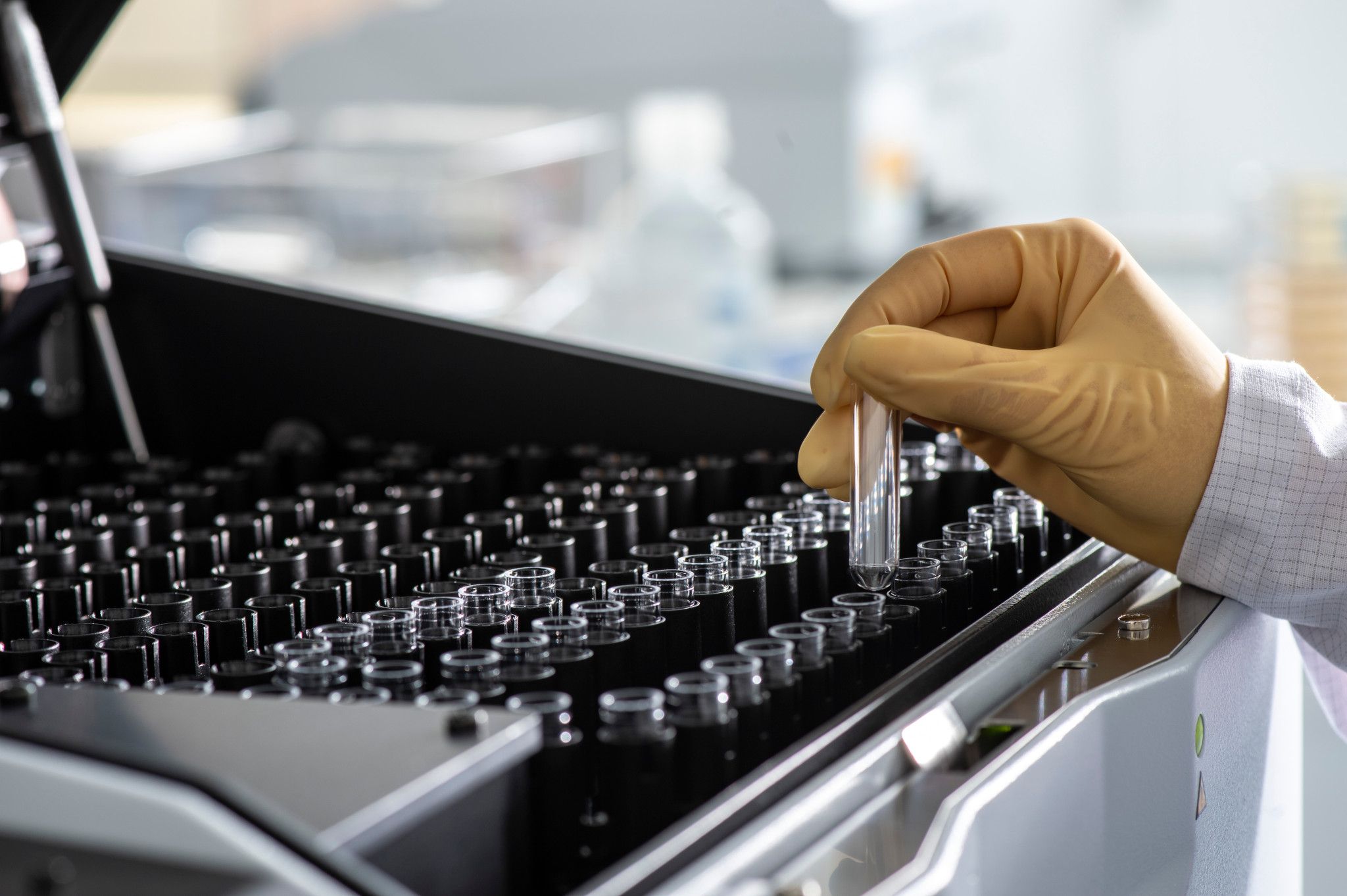
A Proven Solution for Contract Testing
Celsis has already been adopted by leading pharmaceutical companies and contract microbiology testing laboratories. Get results in just 24 hours to stay ahead of the curve and give your lab the competitive edge.
Learn more
Benefits
- Shorter incubation means:
- Faster time to results
- Expedited response to contamination events
- Automated result generation reduces:
- Subjective human assessment risks
- Transcription errors
- Easy-to-use instruments are simple for training
- Compatible with both direct inoculation and membrane filtration
- 21 CFR Part 11 compliant software and system security ensures data integrity
- Validation support packages streamline approval with regulatory authorities
Pharmacopeia standards outline how to confirm alternative methods are just as effective as traditional methods. Charles River experts analysed these documents and created protocols to help prove Celsis is acceptable for your application.
Celsis has a history of success with a variety of product types.
Guidance on Implementation of Alternative RMMs
This Ebook addresses the technical, business, and data integrity issues in implementing ARMM technologies for the development, in-process control, and commercial release of drug products.
Access the Ebook
