
Tired of Cumbersome Alternative Endotoxin Method Validation Processes?
Performing alternative method validation requires substantial time, financial resources, and manpower. Companies must develop protocols, conduct extensive testing, perform detailed statistical analyses, and compile comprehensive reports, which can take several months of valuable time.
In developing the Endosafe Alternative Endotoxin Testing Method Validation and Implementation package, we connected with our customers to discover exactly what they were being challenged by in their processes:
- Regulatory Uncertainty: Companies lack clear guidelines and harmonized standards for validating alternate methods, creating a risk-averse environment where innovation is stifled.
- Resource Intensiveness: Validation processes can be manual, time-consuming, and costly, requiring significant manpower and financial investment. This leads to high resource utilization and a slow pace of implementation.
- Sustainability Pressures: The increasing demands to adopt sustainable practices and reduce environmental impact. These challenges result in inefficiencies, increased operational costs, and a potential risk to patient safety due to inadequate validation methods.
Build a recombinant BET validation plan module by module
A documented validation plan can be the deciding factor in adopting recombinant BET methods. This four-part series covers study design, acceptance criteria, and interference testing.
Start Training Now
Endosafe® Alternative Endotoxin Method Validation and Implementation Service
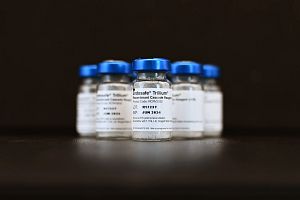
This package is a comprehensive document containing data and reports from internal primary validation with recombinant cascade reagents (rCR) vials and water for bacterial endotoxin testing (BET). This package demonstrates the equivalency of rCR to FDA-licensed LAL kinetic chromogenic reagent. This offering simplifies and accelerates the validation process, reducing the workload and ensuring compliance with regulatory standards.
How does our validation package and outsourcing service compare to our competitors?
- Comprehensive Documentation Package: The Endosafe Alternative Endotoxin Testing Method Validation package is more comprehensive than many competitors’ offerings.
- Regulatory Confidence: Our validation package and outsourcing service is based on the minimum requirements for alternate method validation of ICHQ2 and increases the likelihood of meeting the stringent requirements of global regulatory standards, providing companies with confidence that their validation process will standup to regulatory scrutiny.
- Customer Support: In addition to the validation package and outsourcing service, we offer robust customer support, guiding companies through the validation process and addressing any specific needs or concerns they might have.
- Openly Available: We offer a comprehensive validation package and support complementary to qualified customers, making it an accessible and valuable resource.

The Spectrum of Endotoxins - From Standards to Natural Variants
Incorrect endotoxin selection opens the door to unreliable results and compliance issues. This white paper provides a breakdown of RSE, CSE, NOE, and NEE, allowing you to make more informed consistent testing choices.
READ NOW
What is an alternative method validation?
Alternative method validation is the process of proving that a method works within the parameters of assay expectations. It ensures that the method can accurately and precisely detect and measure the target analyte (e.g. endotoxins) without interference from the product being tested. Companies must create and implement protocols, carry out extensive testing, perform statistical analysis, and compile comprehensive validation reports, often taking several months to complete.
Failure to adequately validate a method can result in the release of unsafe products, potentially causing adverse effects such as fever responses in patients due to undetected endotoxins. This not only jeopardizes patient safety but also exposes the company to significant regulatory and legal risks. Regulatory bodies such as the Food and Drug Administration (FDA) and European Medicines Agency (EMA) are responsible for ensuring that laboratories comply with validation requirements. Non-compliance can lead to severe consequences, including facility shutdowns, issuance of 483s (inspectional observations), and potential legal actions.
While gel-clot and traditional kinetic bacterial endotoxin testing methods may seem easier to validate, they might not align with modern sustainability goals or evolving regulatory requirements. Validation is crucial to ensure that new methods are accurate, precise, and comply with regulatory standards. While the process is challenging, the benefits of adopting validated alternative methods include enhanced efficiency, reduced environmental impact, and potential cost avoidance.
With the Endosafe Alternative Endotoxin Testing Method Validation and Implementation Service you can leverage data and comprehensive reports, and can cut validation time significantly. The package includes several necessary validation aspects (accuracy, precision, ruggedness, and robustness), allowing companies to perform a smaller portion of the validation work specific to their products. This streamlined approach saves time and resources, ensuring a quicker and more efficient validation process.

Validating and Implementing a Recombinant Cascade Reagent
Discover the global regulators’ acceptance status and expectations of recombinant cascade reagent (rCR), our full alternative method validation approach, and an overview of results, findings, and comparability data by watching our webinar.
Watch Now
Best Practices for rCR Vial and Cartridge Adoption
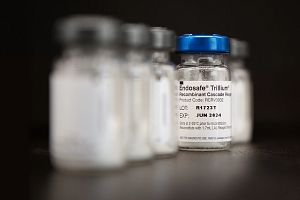
Uncover how to standardize your testing, reduce invalid results, and stay compliant with Trillium™ recombinant cascade reagents (rCR) vials and cartridges.
View the Guide