
Your Partner for Preclinical CRO Research and Development
Charles River is committed to providing exactly what clients need with flexible solutions for your preclinical studies, accelerated timelines, and people who care about making a difference. Our experienced team helps clients to anticipate challenges, avoid roadblocks, and expedite preclinical trials with a wide array of preclinical research services and expert guidance through this important safety assessment stage. Using state-of-the-art technologies in a global network of facilities, our skilled scientists execute preclinical trials and custom testing programs that are designed with a client’s goals in mind. Our regulatory experts ensure that all testing meets worldwide standards for quality and compliance, smoothing the path to market.
Browse our preclinical studies services portfolio
Working as an extension of your own team, our scientists and technicians share your goal of delivering safe, effective products to waiting patients. Explore how we can help with comprehensive preclinical services, every step of the way.
-
IND Programs
We have several decades of IND research experience, a unique range of preclinical services, and best-in-class expertise to help clients successfully initiate and complete an IND-enabling program on time and within budget. Our continuous focus on scientific excellence and guidance allows us to offer cost-effective IND programs tailored to the specific needs of our clients.

Explore our IND Toolbox
Navigate through our eGuide, understand how long it takes to execute an IND program from start to finish, and gain insights from industry experts in biotechnology and pharmaceutical companies.
Get the Toolkit -
Toxicology
Our preclinical contract research team of board-certified toxicologists, veterinary pathologists, veterinary surgeons, regulatory specialists, and support personnel has designed and performed safety assessment programs for more than 40 years. These preclinical trials employ a broad range of animal models and numerous routes of administration, and assess acute through chronic toxicity and carcinogenicity.
Our industry-leading specialty and general toxicology preclinical studies include:
- Cell and gene therapy research
- Developmental and reproductive toxicology
- General toxicology
- Genetic toxicology
- Immunotoxicology
- Infusion toxicology
- Inhalation toxicology
- In vitro toxicology
- Musculoskeletal research
- Neonatal and juvenile toxicology
- Neurotoxicology
- Ocular toxicology
- Ototoxicity testing
- Phototoxicology
- Safety pharmacology
-
Laboratory Sciences
Over the years, we’ve made significant investments in highly trained scientific, technical, and support staff, superior facilities, and technologically advanced instrumentation. These combined give us the ability to rapidly produce reliable data for many types of preclinical and clinical analyses using networked, validated data management systems.
Our multidisciplinary laboratory science offerings include:
- Analytical chemistry
- Bioanalysis
- Biomarkers
- Formulation development
- Immunochemistry
- Immunogenicity
- Immunology
- Molecular biology
- Pharmaceutical sciences
- Physicochemical characterization
-
Safety Pharmacology
Our safety pharmacology program helps clients further the preclinical development of their product by investigating the potential undesirable effects of a compound on physiological functions in relation to exposure in the therapeutic range and above. We provide a comprehensive, global, harmonized program to meet the ICH guideline’s core battery and supplementary safety assessment tests that may be needed based on early observations or concerns.
Our safety pharmacology offerings include:
- ICH S7A core battery and supplementary tests
- CNS, cardiovascular and respiratory
- Renal and urinary
- Gastrointestinal
- Autonomic nervous system function
- Endocrine and immune effects
- ICH S7B
- hERG
- QT prolongation
- APD assays
-
Anatomic & Clinical Pathology
A comprehensive safety assessment of pathologic changes is critical in the evaluation of toxicology and preclinical studies, as well as for animal colony maintenance. As a world-leading CRO, we provide the contract toxicologic, clinical, and specialty pathology services that support both early stage preclinical research with vivarium management and late-stage safety assessment.
Our unparalleled pathology preclinical services include:
- Clinical Pathology
- Digital Pathology
- Image Analysis & Stereology
- Immunohistochemistry & In Situ Hybridization
- Electron Microscopy Services
- Toxicologic Pathology
- Musculoskeletal Pathology
- Neuropathology
- Developmental & Reproductive Pathology
- Ocular Pathology
- Medical Device Pathology
- Archiving
-
Environmental Impact Assessment of Human Pharmaceuticals
With extensive experience in the conduct of preclinical studies to assess the environmental impact of test articles, we offer a full portfolio of preclinical services to support the environmental risk assessment requirement of a client’s marketing authorization application. Our deep understanding of both European and North American legislation allows us to guide clients through the regulatory maze. Dedicated environmental preclinical testing facilities provide modern, flexible laboratories that can accommodate all possible test scenarios.
Our services include:
-
Drug Metabolism & Pharmacokinetics
Routine and specialized in vitro and in vivo metabolism and pharmacokinetic services are available for complete characterization of the absorption, distribution, metabolism and excretion of test articles in rodent and nonrodent species.
These services include:
- Absorption and bioavailability
- Bioanalysis
- Dermal absorption
- Dosimetry
- Excretion/Mass balance
- In vitro ADMET
- Metabolite profiling and identification
- Micro-autoradiography
- Pharmacokinetics/Toxicokinetics
- Protein binding
- Radioanalysis
- Statistical analysis
- Tissue distribution (tissue dissection or QWBA)
Bioanalytical Strategies Unlocked: Innovative Approaches to PK, Immunogenicity, and Biomarkers
In this webinar, our scientific experts will walk you through real-world case studies that illustrate how innovative bioanalytical approaches can help you overcome common hurdles in pharmacokinetics (PK), immunogenicity, and biomarker applications.
Watch the Replay
Additional Preclinical CRO Services and Products
Our team has the experience to anticipate the evolving requirements of preclinical research and development, the scientific and regulatory expertise to guide your next moves, and the innovative preclinical services and products to deliver, every step of the way.

Reliable General Toxicology Support
At the core of safety assessment, general toxicology preclinical studies are key to proving your product is safe to bring to market. Why settle for a general toxicology provider when you can enhance your program with a full portfolio of preclinical studies?
Count on Us

Cell and Gene Therapy Services and Products
Our comprehensive portfolio of preclinical studies provides the cell and gene therapy services, products, and scientific and regulatory experts to fully support your integrated program from start to finish.
How Can we Help?
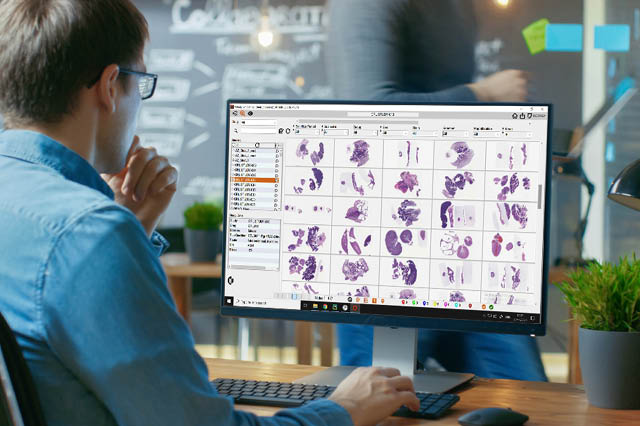
Simplifying Your Pathology Workflow
As part of an overall effort to streamline your safety assessment programs and deliver faster results, our preclinical sites have implemented state-of-the-art technologies that introduce greater efficiencies at every stage of the process. This latest advance is a fully GLP-compliant digital pathology workflow that enhances our preclinical studies by supporting pathology peer review globally across our sites.
Learn More

Genetic Toxicology Services
Positive in vitro genetic toxicity test results are common, and accurate assessment of the results are critical to prevent potential preclinical program failure or clinical trial delay. Additional mechanistic insight to understand mode of action along with appropriately planned in vivo follow-up assays are often needed to move your program efficiently forward to market. Let Charles River’s expertise in this field hasten the time to market for your product.
Get Started
Frequently Asked Questions (FAQs) about Preclinical CRO Studies
-
What is the difference between nonclinical and preclinical studies?
To some extent the terminology is interchangeable. Nonclinical studies are typically considered as the group of in vitro and animal studies that are conducted from when the preclinical drug candidate is selected for development until the product is approved for marketing.
The term preclinical is generally used to describe the same studies but identifying those conducted before the first clinical trial. Nonclinical studies include ADME (absorption, distribution, metabolism, and excretion), pharmacology, safety pharmacology, genotoxicity, toxicity, carcinogenicity, and/or developmental toxicity of the drug.
-
What is a preclinical candidate?
A preclinical candidate is a molecule that has been selected to undergo comprehensive GLP-compliant safety assessment preclinical studies prior to testing in human clinical trials. A preclinical candidate has met the criteria of the Target Product Profile (TPP) and undergone an extensive screening process during the discovery phase. The TPP may include data from pharmacology, toxicology, in vitro ADME, and in vivo pharmacokinetic preclinical studies. The drug should have a well-characterized synthetic route and a formulation suitable for the route of administration to be used in animal studies.
-
How long does preclinical development take?
There are different types of preclinical studies needed to get into the first clinical trial. In vitro studies, such as the Ames test, are conducted relatively quickly. Toxicity studies in animals normally start with short term studies with an experimental period of a few days and then move on to longer term repeated dose GLP preclinical studies of increasing duration. While one month toxicity studies are commonly conducted to support a first clinical trial, the length of the toxicity study is dependent on the duration of subject dosing. Other time considerations include developing and validating analytical methods to measure the test item in the formulations and blood matrices used for pharmacokinetic measurements. These need to be developed before the toxicology studies are conducted. All of these activities/studies need to be carefully coordinated and dovetail with the manufacturing campaign to minimize the time to IND/CTA filing.
-
What are some reasons that candidates fail at the preclinical stage?
Candidate drugs can fail during the preclinical stages of development for a number of reasons. The drug may be poorly bioavailable by the desired route of administration. Most small molecule candidates fail at the preclinical stage due to overt toxicity or safety pharmacology issues, with hepatotoxicity and cardiovascular safety pharmacology being particularly common reasons for failure. The industry is continually striving to reduce attrition rates by developing toxicology study designs that include additional safety biomarkers and endpoints in pre-candidate nomination preclinical studies to get an earlier safety assessment readout. Sponsors are also increasingly including more safety directed screening studies based on specific mechanisms of action and known target safety liabilities within their screening program prior to preclinical candidate nomination.
-
What should I look for in a preclinical contract research organization partner?
Preclinical development of a drug is a complex process involving a wide variety of interlinked studies. Using a preclinical research partner who can manage and conduct all, or the majority, of the preclinical studies that are required will simplify the process in terms of contracting, assay transfer, and moving quickly from one set of studies and activities to the next. You should use a preclinical research partner who has a good depth and breadth of scientific expertise to aid in developing an efficient and successful drug development program. They understand the quirks of the target and potential safety liabilities that will aid in designing the right preclinical studies. They can anticipate what regulatory authorities are likely to be focused on. Additionally, this experience and expertise will be critically important when (and it usually is when, rather than if), something unexpected happens. The right CRO partner will be able to quickly analyze the situation and suggest rational solutions.
