Animal Models of Migraine in Drug Discovery Studies
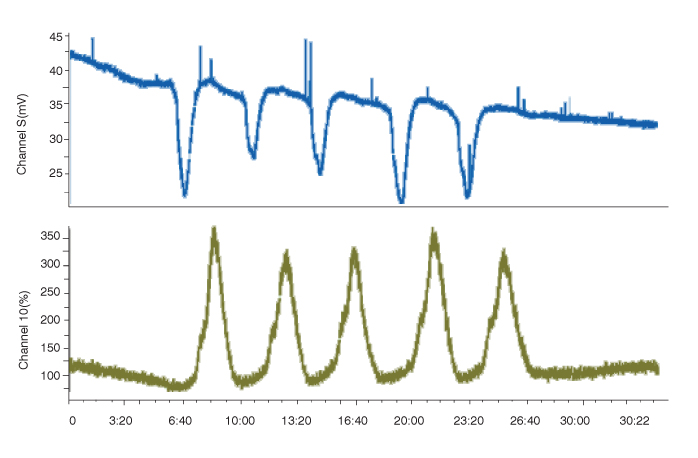
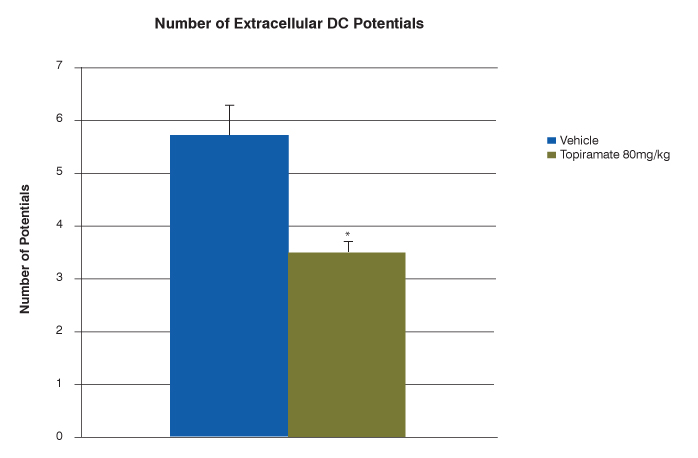
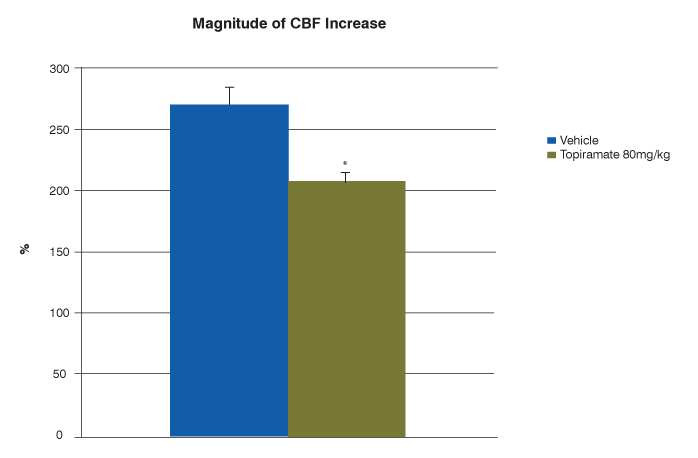
Charles River conducts contract research studies in two animal models of migraine to assess the efficacy of novel antimigraine therapeutics. In the trigeminal nerve electrostimulation model, electrical pulses directed at the trigeminal ganglion induce changes in cerebral blood flow (CBF), commonly observed in migraines in humans, as well as changes in plasma protein extravasation and levels of calcitonin gene-related peptide (CGRP). In the cortical spreading depression (CSD) model, induction of synchronized depolarization by application of KCl also induces changes in CBF as well as changes in direct current potential and CGRP release.
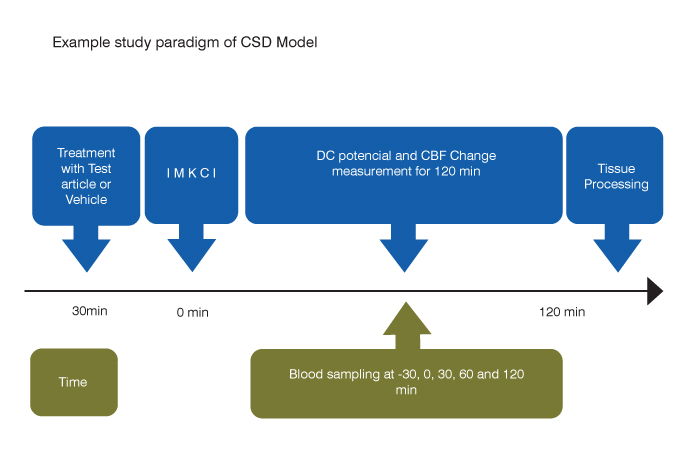
Study Outline & Validation Data in Cortical Spreading Depression Model of Migraine
CSD Model Validation Data