
Why are psychedelic studies needed?
Globally there is an increasing mental health crisis, with a rising number of people being diagnosed with psychiatric disorders such as depression, anxiety, stress-related disorders, addiction, and sleep disorders. The majority of drugs available to treat mental health disorders were developed and approved over 30 years ago, when scientists’ understanding of the pathophysiology of mental health disorders was poor. Today we know that only a subset of patients get relief by currently available drugs, and that these drugs may only work for a limited time. There is a clear need for new therapeutics in mental health disorders, and psychedelics are being investigated for their potential in this area. Additionally, in neurodegenerative diseases, such as Alzheimer’s disease, some psychedelics are being examined for their neuroprotective, neuroplasticity, and anti-inflammatory effects.

The Promise of Psychedelic Research
Written by Charles River experts, this paper outlines the need for psychedelic studies, the chemistry of psychedelics, how they cause neuroplasticity, and future perspectives on this innovative drug discovery area.
Read the paper
Models and Assays for Psychedelic Studies
Psychedelic research studies require contemporary translational tools to understand how these repurposed drugs and their derivatives affect brain function. We offer wide range services and tools to support your psychedelic research, including in vitro models and assays, behavior testing, in vivo imaging and bioanalysis.
In Vitro Models and Assays for Psychedelic Studies:
- Stem cell models including human iPSC-derived neurons and microglia
- Ion channel profiling
- Screening receptors and off-target effects
- Cryo-EM and structural biology
- Neurite outgrowth assays
- Microglial activation assays
- In vitro electrophysiology including multi-electrode arrays and patch clamp
Behavior Testing for Psychedelic Studies:
- Assessment of anti-depressive effects through forced swim test or chronic social defeat
- Assessment of anti-anxiety effects through elevated plus maze or marble burying test
- Head twitch response assay for 5-HT2A receptor target engagement
- Fine kinematic gait and motor analysis
- Translational touchscreen testing for cognitive decline
In Vivo Imaging and Bioanalysis for Psychedelic Studies:
- MRI for whole brain volume
- Fluorodeoxyglucose (FDG) PET imaging for brain metabolism
- PET imaging for neuroinflammatory markers
- PET imaging for GPCR activation or receptor occupancy
- Functional Ultrasound imaging for vascular reactivity
- Quantitative EEG and EMG
- Microdialysis for in vivo neurometabolite and pharmacokinetic profiling
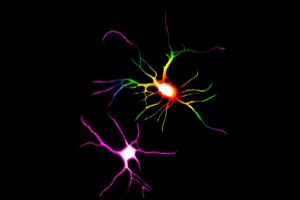
Psychoplastogens: The Evolution of the Psychedelic Revolution
This webcast highlights pioneering work inspired by the medicinal potential of psychedelic substances.
Watch now
Frequently Asked Questions (FAQs) for Psychedelic Research Studies
-
What are psychedelics?
The term psychedelics was coined by Humphrey Osmond in 1957 for compounds that provide ‘useful or beneficial properties of the mind’ and has since been refined as ‘powerful psychoactive substances that alter perception and mood and affect numerous cognitive processes. Psychedelic is often used to broadly refer to various types of hallucinogens and drugs adjacent to classic psychedelics, such as cannabis and MDMA. Classic psychedelics are also called serotonergic psychedelics due to their binding and action at 5-HT2A receptors.
A newer term in the psychedelics field is pyschoplastogen, which refers to small molecules that are thought to result in rapid and sustained changes to neuronal structure and function, rather than simply treating the symptoms of disease.
-
What small molecules are used in psychedelic studies?
Examples of classic psychedelics that are used in psychedelic studies are those that target 5-HT2A receptors, such as DMT, LSD, mescaline, psilocybin, and their derivatives. Cannabis and MDMA are generally referred to as atypical psychedelics and are also under investigation for their effects in psychiatric and neurological disorders. Similarly, psychoplastogens that don’t fall into classical and atypical psychedelic categories, such as scopolamine and ketamine and its derivatives, are being investigated for their therapeutic effects.
-
How does Charles River support psychedelic studies?
We offer a plethora of services that can support any psychedelic researcher or company no matter what stage of small molecule drug development their program is in. From chemistry through in vitro biology, in vivo pharmacology, and safety assessment, we are there to support you every step of the way. Our scientific and regulatory advisory service can also aid in navigating the changing and complex landscape of drug development and regulatory approval.
-
What are the benefit of psychedelic therapies?
The benefits of psychedelic therapies to treat mental health or substance abuse disorders is confounding. Emerging evidence from the plethora of on-going clinical trials with the classic first-generation psychedelics (MDMA and psilocybin) have already begun the approval process with the FDA.